
In recent years, more and more dental clinics in Bucharest have been treating international patients. Whether they are Romanians living abroad, expats or foreign patients choosing Romania for complex dental treatment, clear communication and correctly translated medical documentation have become essential.
In the medical field, translation is not just a linguistic formality. It is an act of professional and legal responsibility.
The growing number of foreign patients
Bucharest has become an important center for medical and dental services. Competitive costs, modern technology and well-trained specialists attract patients from the United Kingdom, Germany, Italy or France.
However, every treatment involves:
-
medical records
-
treatment plans
-
informed consent
-
post-operative recommendations
-
medical letters for insurers
If these documents are not translated correctly, legal problems, misunderstandings or even medical risks can arise.
This is where specialized medical translation services come in.
Why a correctly translated informed consent matters
Informed consent is an essential document in any medical procedure. The patient must understand:
-
the nature of the procedure
-
the risks involved
-
the therapeutic alternatives
-
the possible complications
A generic or machine translation is not enough. Medical terminology must be rendered accurately, and the wording must respect both legal and medical language.
Professional medical translation provides clarity, accuracy and legal protection for the clinic.
Medical records and treatment plans for international patients
A foreign patient may need translated documents in order to:
-
continue treatment in their home country
-
claim reimbursement from their insurer
-
present their medical history to another specialist
Dental treatment plans contain technical terms such as:
-
dental implant
-
bone augmentation
-
endodontic treatment
-
apicoectomy
-
advanced periodontitis
Without experience in medical translation, this information can easily be misinterpreted. In addition, some healthcare systems use different terminology, which calls for terminological adaptation, not just literal translation.
Collaboration between dental clinics and medical translation specialists
More and more clinics choose to work with companies specialized in medical translation to ensure consistency and professionalism in their relationship with international patients.
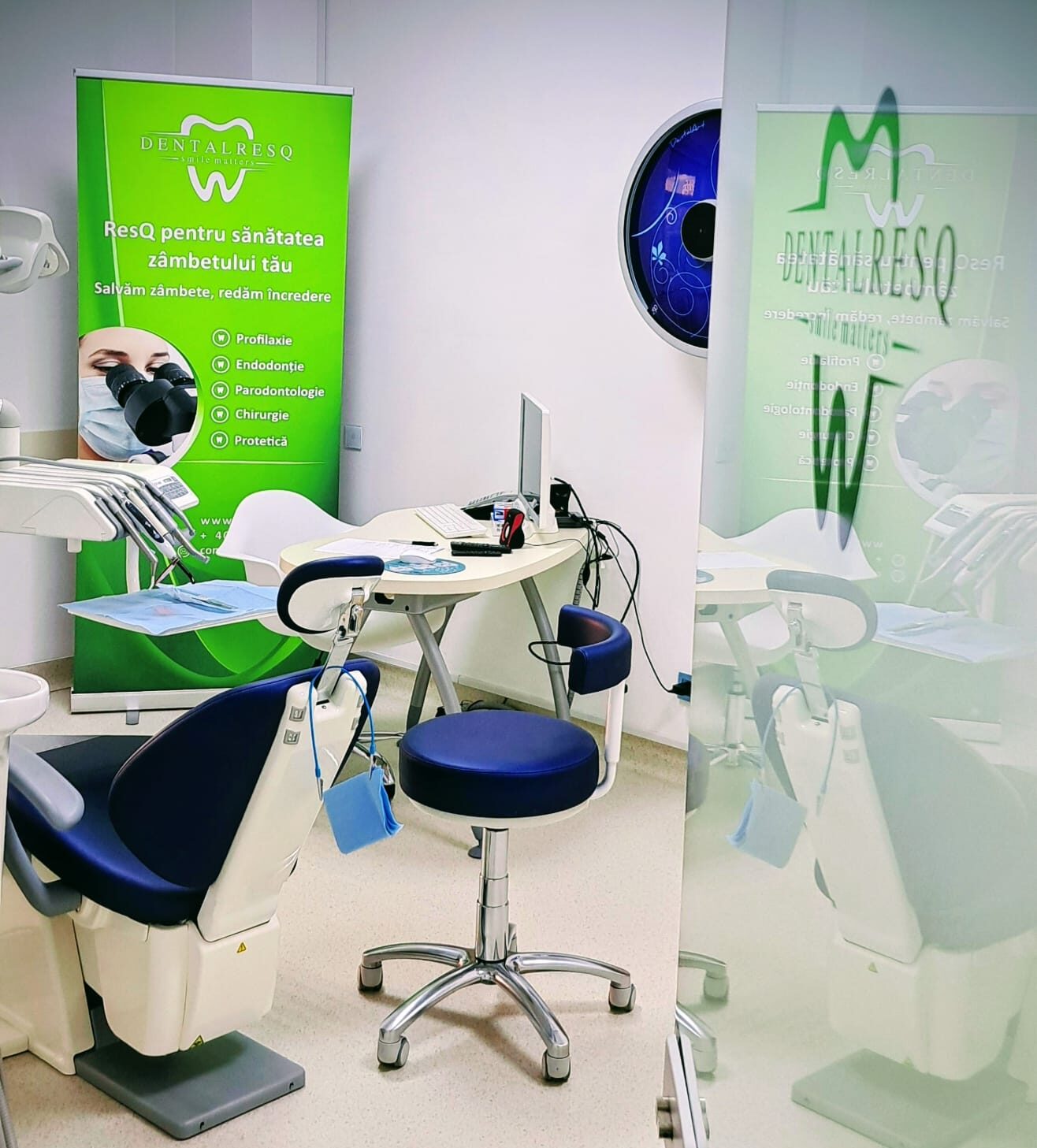
One example is DentalResQ in Bucharest, which treats international patients and emphasizes clear documentation and transparent communication. For clinics like this, working with a partner specialized in medical translation is a real competitive advantage.
A dentist who treats foreign patients needs not only medical competence but also impeccable documentation in the patient’s language.
In addition, for services aimed at international patients, information must be presented clearly and accessibly, as can be seen on the page dedicated to services for international patients.
Why medical translation cannot be treated lightly
In dentistry, a translation error can lead to:
-
misunderstandings about the procedure
-
disputes over costs
-
inconsistencies in the medical history
-
legal problems
Translators specialized in the medical field must understand:
-
dental anatomy
-
implantology terminology
-
periodontal classifications
-
differences between healthcare systems
That is why choosing a partner specialized in medical translation is essential for any modern clinic that wants to treat international patients professionally.