
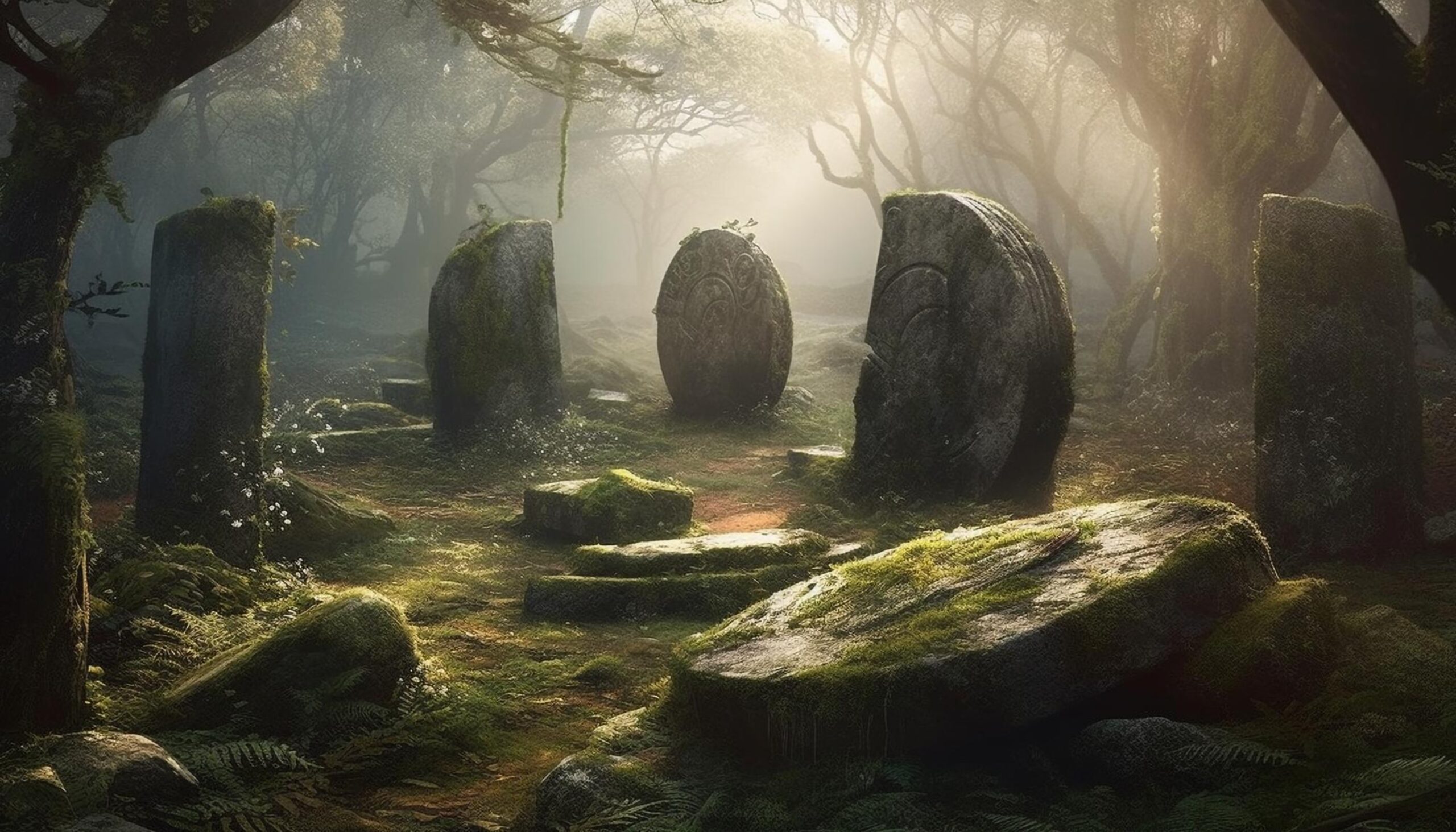
In a pause between a few certified translations and many website translations, we set out to travel back in time, to the age of the enigmatic runes.
Numbering 24, the runes form a genuine alphabet (the “futhark”). It was used by the Nordic peoples in prehistory, both for communication and for magic. In fact, in modern languages such as Danish and other Scandinavian tongues, “rune” means sacred, secret, hidden from mortals, a whisper – and over time the runes kept only their magical mission. In truth, hieroglyphs, cuneiform, ideograms, runes, letters – all the signs that graphically encode words – have been invested with esoteric, ritual symbolism, in the belief that only the initiated could decipher them. Empires were built around them, destinies were woven, legends were born and rituals were created. The carved enigmas remain a source of fascination and somehow promise new revelations. Specialists around the world are eager for new meanings and ancient secrets to be revealed. Epigraphers can read some of them phonetically but cannot grasp their meaning.
Metamorphosis over time
Runes were first used more than 1,500 years ago by the Eastern Goths and later appeared in England and Scandinavia. Runic inscriptions from the golden age are said to have been found in North America, stories used to argue that the Vikings reached America long before Columbus – although such claims remain disputed. Pre-runic symbols, or hällristningar, have been found in Bronze Age caves (1800–800 BC), first in Sweden. Some runic symbols seem to have been adopted from other alphabets, such as the Greek, the Etruscan and the early Roman (Latin) ones. When Christianity spread, the use of the runic alphabet in divination came to be regarded as a pagan practice. One of the oldest and most complete runic alphabets is found on the Kylver Stone, discovered in Gotland, Sweden.
Fascist symbolism
The Nazi symbol consists of two “Sig-runes”, or Siegrune (the symbol of victory). Runes were used by the Nazis and by neo-Nazi groups that associated themselves with Scandinavian traditions, especially the runes Sigel (sun, success, honor, goals achieved), Tyr (Tiwaz, the god of war, son of Odin; referring to honor, justice, authority), Odal (heritage, property, home, order) and Algiz (protection, strength, safety).
Between history and fiction
J.R.R. Tolkien popularized runes by using the Anglo-Saxon futhorc in The Hobbit and also invented his own fictional alphabet, the Cirth. The Cirth (Runes) are the letters of an artificial alphabet created by Tolkien for the languages he invented and used in his work. Examples of Cirth writing are the inscriptions on Balin’s tomb in Moria and the inscriptions on the title page of The Hobbit, as well as on the title page of The Lord of the Rings.