
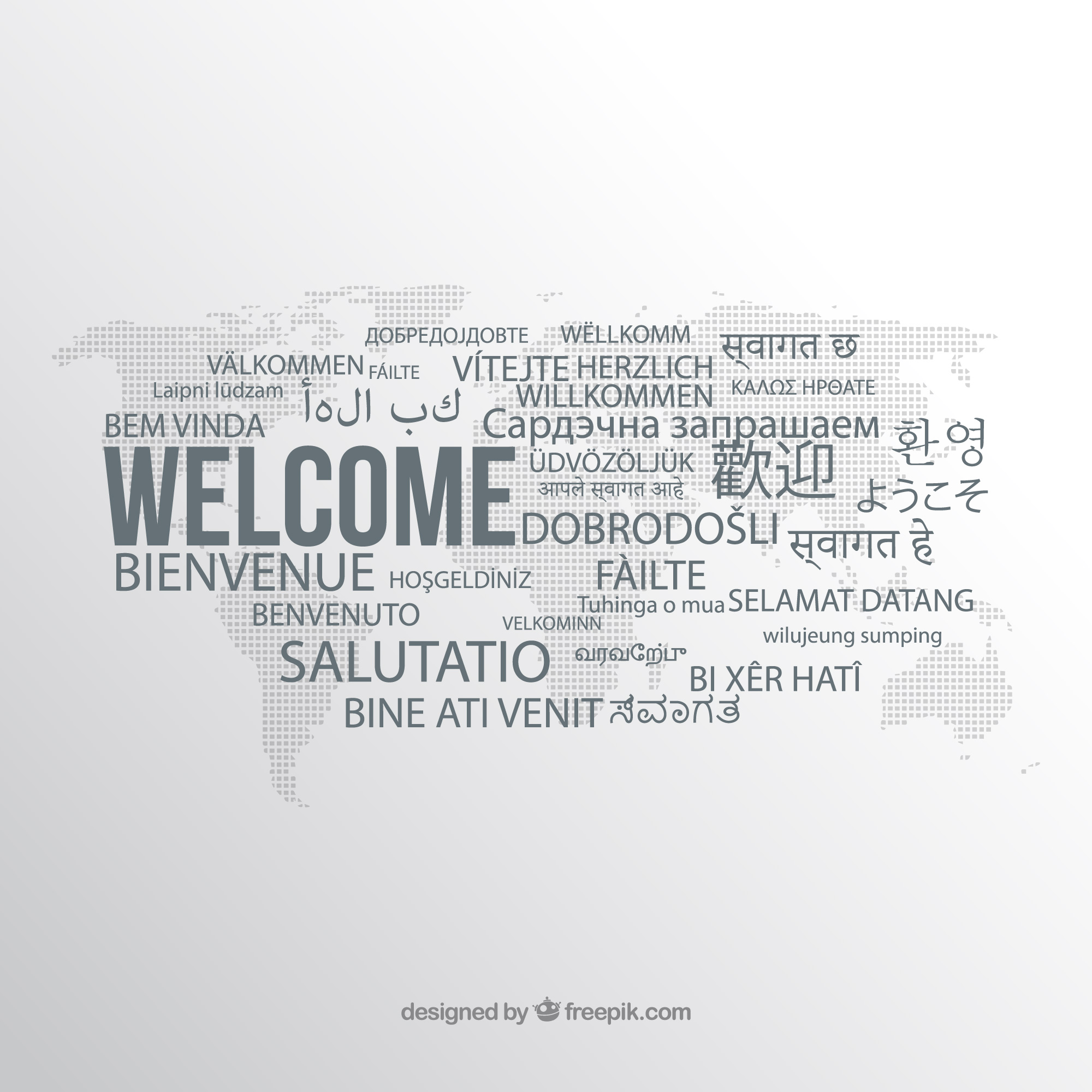
The area of multilingualism, and with it multiculturalism, extends across the whole of society. All peoples are multicultural societies, especially through globalization, wider access to information from different parts of the world and the study of foreign languages.
Social customs are diverse across the globe. In step with the forced march of global uniformity, we can barely stop for even a fraction of a second to realize how different we, the people of the big world, really are.
Intercultural dialogue
The work of any translation bureau is closely tied to the need to localize the product, which requires adaptation to the communication needs specific to each culture. Regional particularities and the technical requirements of the target markets are the vital “ingredients” that professional translators must take into account. Only in this way does a product become functional technically, terminologically and aesthetically in other cultural and linguistic spaces.
Localizing success
Whether it concerns products and services or website translation, adaptation has to be made on the go. In fact, localization involves many areas. Linguistic differences come alongside other differences: from culinary and clothing customs to the institutions that support and defend ethnic groups, from ways of socializing to the way towns and industries work, from the way aesthetic sensibility is expressed to the characteristics of high culture.
Let us not forget number formats, currencies, address formats, time and date formats and units of measurement, which must also be adapted to each culture. Knowing local cultural customs requires understanding the symbolism of different colors and images, so that the intended message is not conveyed wrongly and does not turn into a disaster from the point of view of cultural particularities.
The important thing is to break down linguistic and cultural barriers with tact and professionalism. The Syncro Translation Services team has professional translators gifted with the ability to find creative linguistic solutions to overcome these obstacles. In this way we avoid the gap between different cultures, customs and mentalities.
Did you know?
A statistic on linguistic diversity in Europe gives a figure of 275 languages, including extinct ones, which is only 3% of all the languages spoken across the globe.